Exciting News! Applications Now Open for September 2026 Admissions!
Exciting News! Applications Now Open for September 2026 Admissions!
You’ve built your acupuncture practice. Now use the full scope of Traditional Chinese Medicine. CCATCM’s post-graduate TCMP pathway adds Chinese herbal medicine and advanced TCM to what you already do – and prepares you to write the Pan-Canadian R.TCMP board exams.
Training TCM & acupuncture professionals
PhD TCM experts (Dr. Diana Tong Li & Dr. Franklyn Chen)
Dedicated herb room + supervised student clinic
R.TCMP exam pathway
of graduates in practice
If you’re a licensed acupuncturist (R.Ac or D.Ac), or you’ve passed the Pan-Canadian or NCCAOM exams, you don’t start over. CCATCM’s one-year post-graduate TCMP pathway builds directly on your acupuncture foundation and adds the herbal and advanced-TCM training you need to qualify for the R.TCMP designation.
What we’ll do with you:
Confirm your eligibility based on your current credential – Map the steps from where you are today to writing the Pan-Canadian R.TCMP board exams – Outline what’s required to register as an R.TCMP in your province

Advanced TCM theory, Chinese herbal medicine, formulas, and TCM specialties (internal medicine, gynecology, pediatrics) on a structured schedule.
Complete your hours (3,036 total, incl. 812 clinical) and write the Pan-Canadian R.TCMP board exams to practice in regulated provinces.
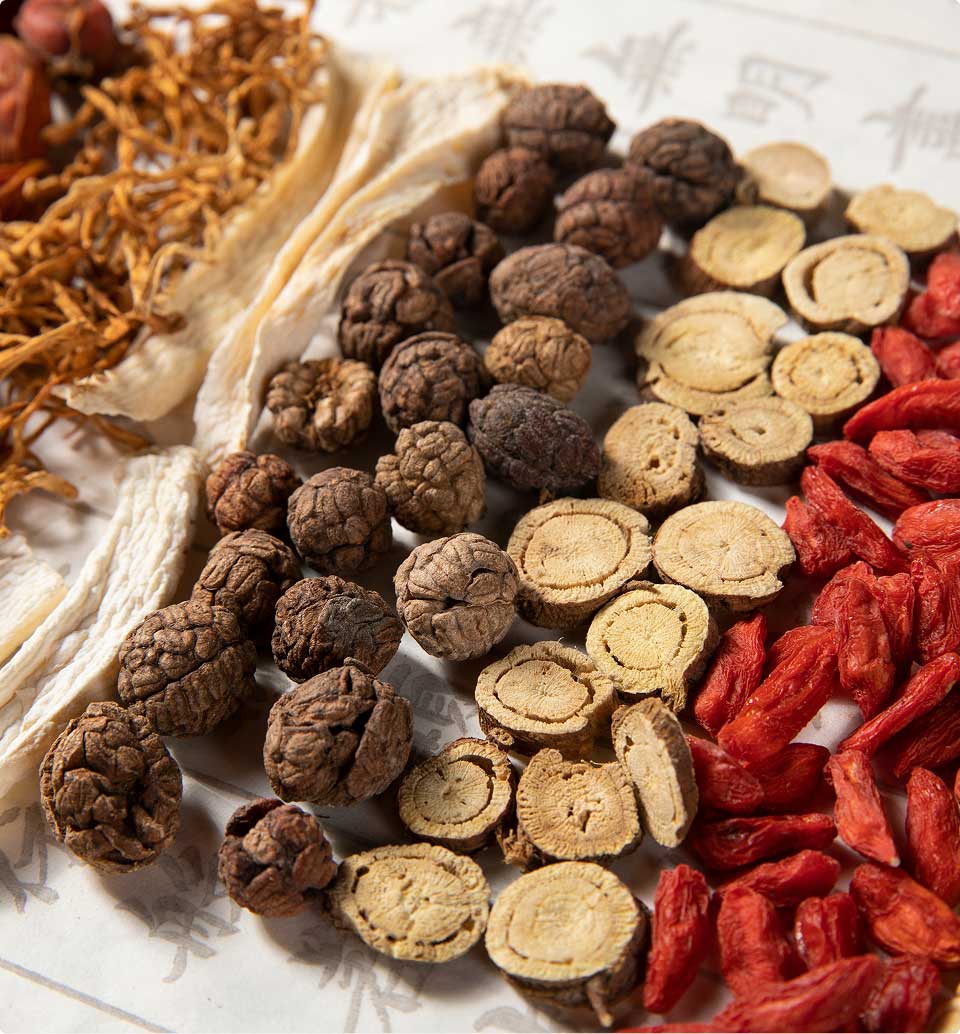
Acupuncture treats a lot — but not everything responds to needles alone. As an R.TCMP you can pair acupuncture with prescribed Chinese herbal formulas, take on the complex and chronic cases you currently refer out, and offer patients more complete, individualized care.
What the credential opens up:
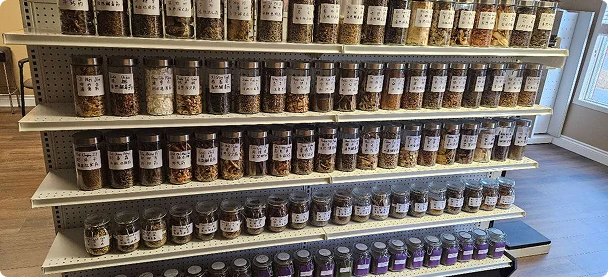
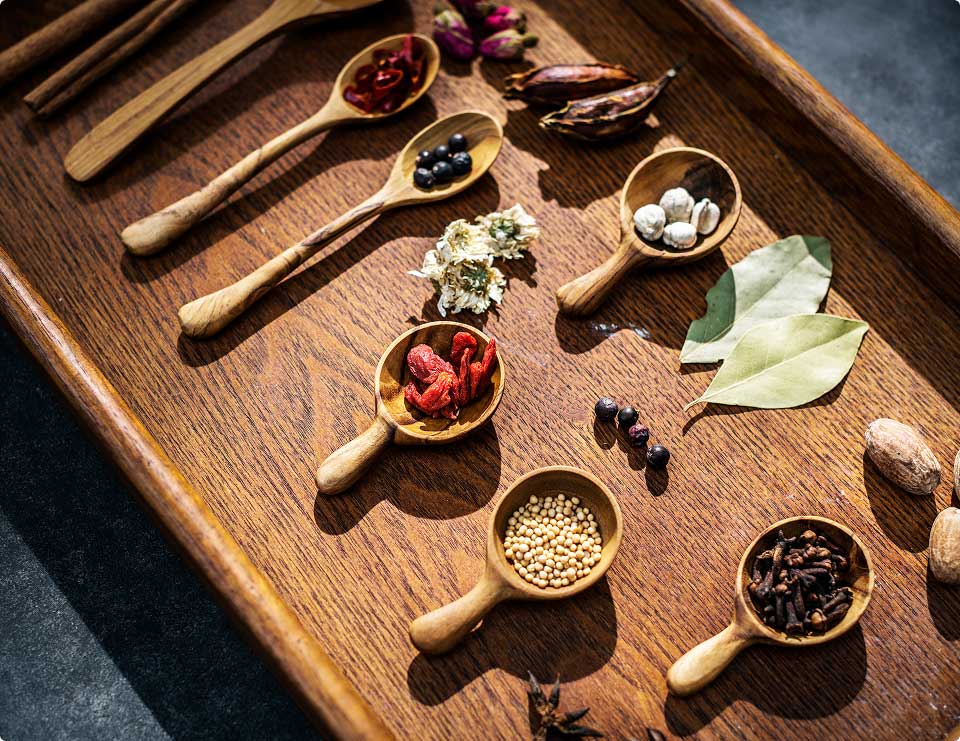
The in-person portion is where the herbal training becomes real. You’ll work in CCATCM’s dedicated herb room — identifying, handling, and combining herbs under experienced herbalists — and treat patients in the supervised student clinic. This is practical, clinic-based training, not textbook theory.
Halifax connections are short direct flights; most practitioners treat the in-person block as a focused training season rather than a relocation.
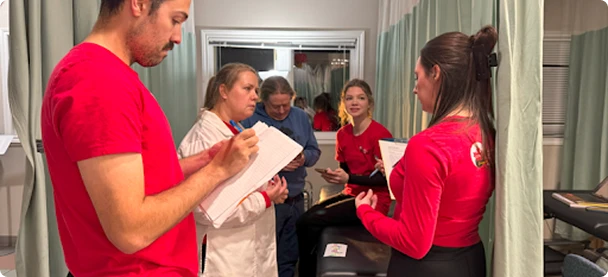
Supervised, hands-on clinical practice with real patients.
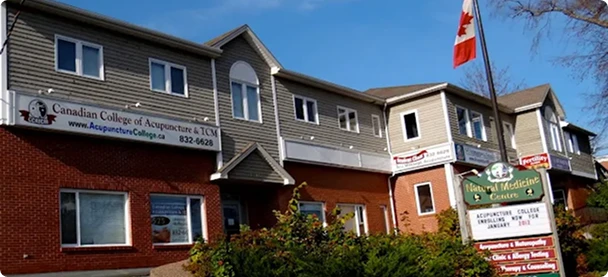

A coastal city you’ll enjoy during your in-person season.
CCATCM was founded by world-renowned PhD TCM experts Dr. Diana Tong Li and Dr. Franklyn Chen, and is led by faculty with doctorates and decades of clinical experience across China and Canada. You’ll learn the “why” behind each formula — then apply it, bringing real cases into the herb room and clinic.
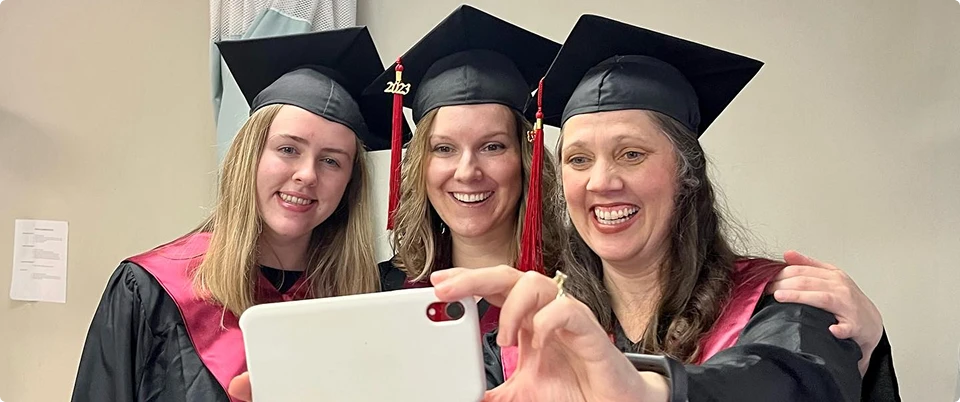
For graduates of a recognized Acupuncture Diploma program (R.Ac / D.Ac) or currently licensed acupuncturists. A focused year of advanced TCM theory, herbal medicine, formulas, TCM specialties, and integrated clinical practice.
Qualifies you to write the R.TCMP exams.
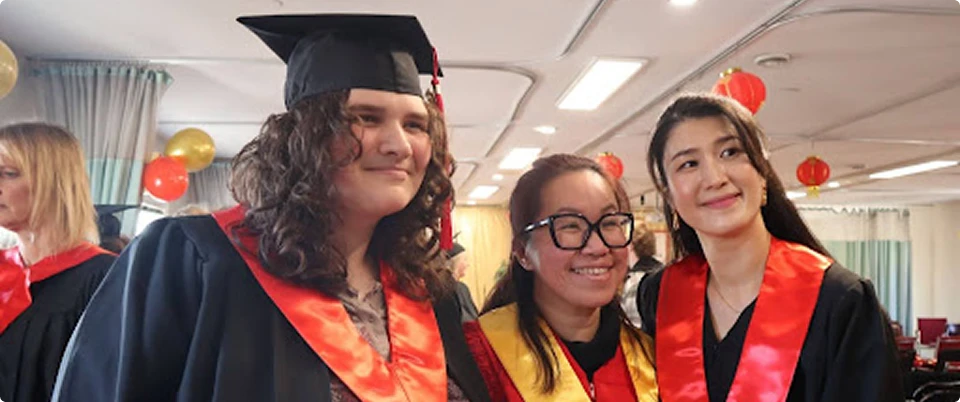
Integrates the full Acupuncture Diploma (Years 1–3) with a fourth year focused on advanced TCM and herbal medicine.
Qualifies you to write both the R.Ac and R.TCMP exams.
The one-year post-graduate TCMP pathway is designed for qualified acupuncture practitioners and graduates. CCATCM Acupuncture Diploma graduates are automatically accepted into the pathway and receive first priority for enrollment.
You are also eligible if you have successfully passed the Pan-Canadian Acupuncture Exam or NCCAOM exam.
If you graduated from an acupuncture program at another school but have not completed a board exam, your eligibility will be assessed on a case-by-case basis based on your previous education and training.
Internationally trained acupuncture and TCM practitioners are also considered based on their educational and professional background.
Select your background on the application form, and our admissions team will review your information and confirm your pathway.
An Acupuncturist is primarily trained in acupuncture, along with foundational TCM theory and related acupuncture techniques. Their scope does not include the advanced training required to diagnose and prescribe Chinese herbal medicine as a TCMP practitioner.
A TCMP Practitioner is trained in the broader scope of Traditional Chinese Medicine – combining acupuncture with advanced TCM diagnosis, Chinese herbal medicine, herbal formulas, and comprehensive treatment planning. Acupuncture represents only one component of the complete TCM system.
For acupuncturists who want to advance their education, expand their clinical knowledge, and become more comprehensive practitioners, progressing to TCMP training is the natural next step.
No. The program is specifically designed for working acupuncture practitioners, allowing you to continue practising while advancing your education. The flexible program structure makes it possible to balance your existing practice with your TCMP studies and begin applying your expanded TCM knowledge to your clinical work as you progress through the program.
The majority of the program is completed online. Only one course and your Clinical Internship, which takes place during the final term of your studies, are completed in person.
The standard in-person schedule is 4 hours per day, 20 hours per week. However, if you choose to complete the in-person portion on an intensive full-time schedule of 8 hours per day, you can complete all of the required in-person training in a little over one month.
This intensive option is especially beneficial for practitioners coming from outside the province or outside Canada, allowing you to complete your hands-on requirements in a condensed period and minimize the amount of time you need to be away from your practice, work, and home.
The in-person component provides valuable hands-on experience with Chinese herbal medicine and clinical training in our herb room and student clinic, while allowing you to complete the majority of your TCMP education remotely.
The in-person practicum is completed at our Halifax, Nova Scotia campus, where you’ll gain hands-on experience in our student clinic and herbal medicine facilities under the guidance of experienced TCM practitioners.
If you plan to practise as a Registered TCM Practitioner (R.TCMP) in a regulated province in Canada, you will need to successfully complete the Pan-Canadian R.TCMP board examinations and meet the registration requirements of that province.
If you plan to practise in an unregulated province in Canada, a board exam is not required.
For students planning to practise in the United States, board examinations and licensing requirements apply and vary by state.
If you plan to practise outside of Canada or the United States, you will need to check the specific licensing and regulatory requirements within your country or jurisdiction.
Yes. CCATCM’s Traditional Chinese Medicine Practitioner program consists of 2,815 total hours, including 870 hours of clinical training, for a total of 185 credits.
In Canada, the educational benchmark for a TCM Practitioner program is a minimum of 2,600 total program hours, including at least 650 hours of clinical training. CCATCM exceeds these benchmarks with 2,815 total hours and 870 clinical hours. The Pan-Canadian examinations and national entry-level competency framework are administered through CARB-TCMPA (Canadian Alliance of Regulatory Bodies of Traditional Chinese Medicine Practitioners and Acupuncturists), with registration requirements established by the regulatory body in each regulated province.
In the United States, the educational standards established by ACAHM (Accreditation Commission for Acupuncture and Herbal Medicine) for a Master of Acupuncture with a Chinese Herbal Medicine Specialization (TCMP in Canada) include a minimum of 4 years, 146 credits, or 2,625 hours. CCATCM’s TCMP program consists of 4 years, 185 credits, and 2,815 hours, exceeding these minimum U.S. educational hour and credit requirements.
In regulated Canadian provinces, graduates pursuing R.TCMP registration will need to meet the requirements established by their provincial regulator, including the Pan-Canadian R.TCMP examinations where required.
In unregulated Canadian provinces, a board examination is not required to practise as a TCM Practitioner.
For students planning to practise in the United States or another country, licensing and board examination requirements vary by jurisdiction, so students should always confirm the specific requirements for the state or country where they intend to practise.
Yes. CCATCM offers a Prior Learning Assessment and Recognition (PLAR) pathway for qualified applicants to enter directly into Year 4 of the TCMP Diploma Program based on previous acupuncture education and training.
CCATCM Acupuncture Diploma graduates are automatically eligible for direct admission and receive first priority for enrollment. Applicants who have passed the Pan-Canadian Acupuncture Examination or NCCAOM Examination are also eligible.
Graduates of another recognized Canadian acupuncture program who have not completed a board examination are assessed on a case-by-case basis. International applicants with a bachelor’s degree or acupuncture/TCM diploma are also individually assessed for equivalency.
All PLAR applications are reviewed by CCATCM’s Admissions Advisor and Education Director to confirm eligibility for direct admission into Year 4.
The final year of the TCMP program provides 805 hours of advanced TCM education and clinical training, including 595 hours of TCM and herbal medicine study and 210 hours of herbal clinical practice.
You’ll advance beyond acupuncture and develop comprehensive training in Chinese herbal medicine, individual herbs and herbal formulas, TCM nutrition and health preservation, TCM internal medicine, TCM gynecology, TCM pediatrics, TCM dermatology and external diseases, TCM orthopedics, TCM sports medicine and traumatology, TCM ophthalmology, TCM otorhinolaryngology (ENT), herbal preparation and combinations, and herbal dispensary management.
You’ll also complete TCM case studies, TCMP exam preparation, career planning, and hands-on herbal clinical practice, learning how to integrate acupuncture, advanced TCM diagnosis, and Chinese herbal medicine into comprehensive patient treatment.
12) How many hours is the TCMP program?
The complete 4-year TCMP Diploma Program consists of 2,815 total hours, including 870 hours of clinical training, for a total of 185 credits.
For qualified acupuncturists entering directly into Year 4 through the post-graduate/PLAR pathway, the one-year program consists of 805 hours, including 595 hours of advanced TCM and herbal medicine study and 210 hours of herbal clinical practice.
This allows qualified acupuncture graduates and practitioners to complete the advanced TCMP training in one year, without repeating their previous acupuncture education and clinical training.
No. A bachelor’s degree is not required for the one-year post-graduate TCMP pathway. The program is designed for acupuncturists, CCATCM Acupuncture Diploma graduates, and graduates of recognized acupuncture diploma programs who meet the admission requirements.
CCATCM Acupuncture Diploma graduates are automatically eligible for direct admission into Year 4 and receive first priority for enrollment.
Typically, you’ll need your acupuncture diploma and/or Pan-Canadian or NCCAOM exam results, depending on your educational background.
You can upload these documents directly with your application. Supporting documents are optional on the initial eligibility form, but providing them can help speed up the review and admission process.
No previous acupuncture or TCM experience is required to apply to the complete 4-year TCMP Diploma Program. You can apply directly to the full program and begin your TCM education from Year 1.
The one-year post-graduate pathway is specifically for applicants with previous acupuncture education or qualifying exam credentials.
The next intake for the TCMP Diploma Program is September 2026, with the first day of classes on September 28, 2026.
Applications are currently being accepted for the September intake.
Tuition varies depending on whether you are entering the complete TCMP Diploma Program or the one-year post-graduate pathway.
Request the program details and one of our Admissions Advisors will provide you with the full tuition breakdown, what’s included, and available payment options.
Yes. Internationally trained acupuncture and TCM practitioners are welcome to apply. Select the “Trained Outside Canada/USA” option on the application form, and our Admissions team will review your previous education and training on a case-by-case basis for equivalency and determine your eligibility for direct admission into the TCMP program.
Yes. You’ll gain hands-on experience with Chinese herbal medicine by learning to identify, handle, prepare, and combine individual herbs and formulas in our dedicated herbal medicine room.
You’ll then apply this knowledge in supervised clinical practice with real patients, developing the practical skills and confidence to integrate Chinese herbal medicine into patient care.
Yes. Eligible students can apply for government student loans across all Canadian provinces. For students who prefer an alternative to student loans, CCATCM also offers the option to arrange a private payment plan to help make tuition more manageable.
Our Admissions and Finance teams can help you understand the options available to you.
Acupuncture is only one part of the broader system of Traditional Chinese Medicine. Advancing to a TCM Practitioner allows you to deepen your knowledge beyond acupuncture and develop advanced skills in TCM diagnosis, Chinese herbal medicine, herbal formulas, TCM internal medicine, TCM gynecology, TCM pediatrics, and other specialized areas of TCM.
By combining acupuncture with Chinese herbal medicine, you can offer a broader range of TCM treatment approaches and provide more comprehensive patient care.
This advanced training can also help differentiate you professionally from practitioners who offer acupuncture alone. Patients seeking a more comprehensive TCM approach may choose a practitioner who can incorporate both acupuncture and herbal medicine into their care, giving you the opportunity to expand your services, attract a broader patient base, and strengthen your professional practice.
For acupuncturists looking to advance their education, expand their scope of knowledge, and stand out in the profession, the TCMP pathway is the natural next step.
P.S. — Your education doesn’t have to stop there. After completing the TCMP program, you can continue your education for one additional year to complete the Doctor of Traditional Chinese Medicine (DR.TCM) program, allowing you to advance your TCM education to an even higher level. In some provinces, qualified Doctor of TCM practitioners may also be permitted to use the “Dr.” title, depending on provincial regulations and registration requirements.
You already have the acupuncture half. Add the herbal half. Check your eligibility for the one-year post-graduate pathway and get program details, timeline, and next steps — reviewed by a program advisor.

